Essential Thai Cooking Techniques
Master these fundamental techniques to create authentic Thai dishes at home. Click on each technique to learn more!
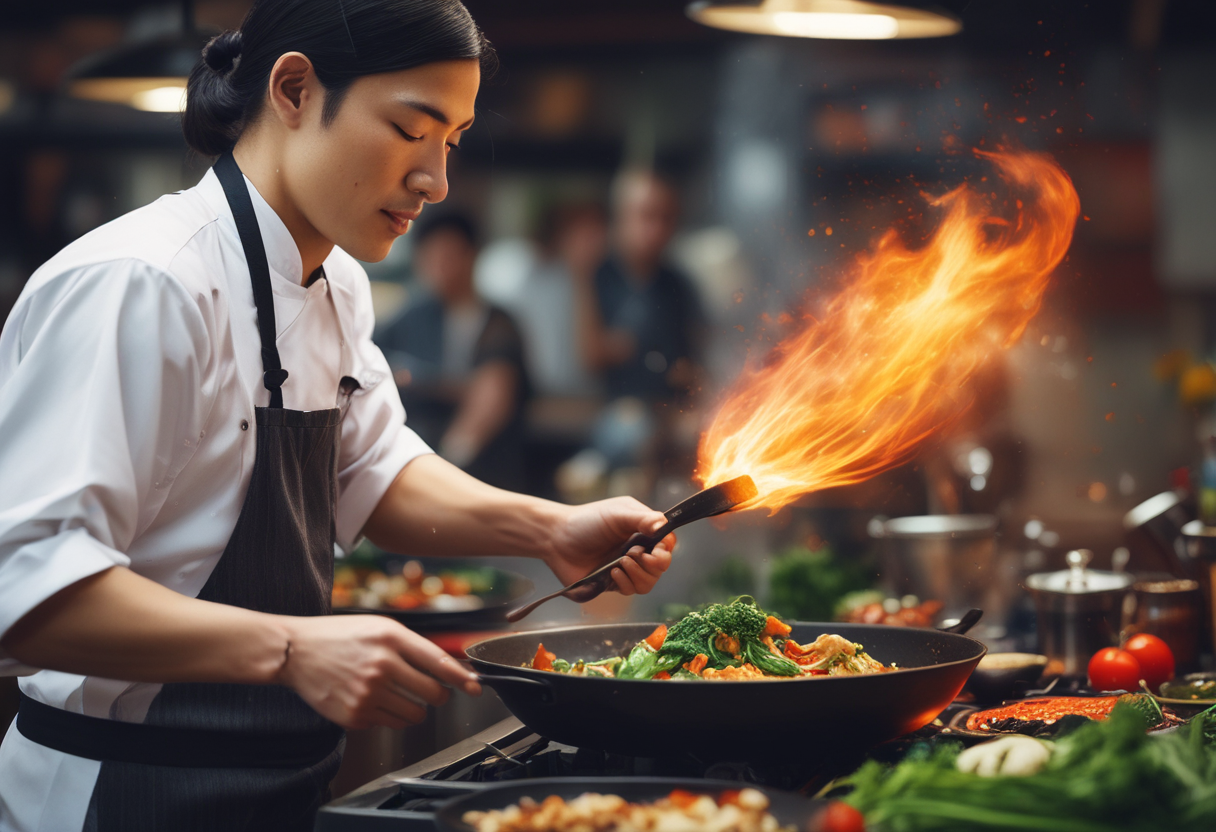
Stir-Frying (Pad)
The art of quick cooking in a wok over high heat.
Stir-frying is a cornerstone of Thai cuisine. To master this technique:
- Use a wok or large frying pan
- Heat the pan until it's very hot
- Add oil and swirl to coat
- Cook ingredients quickly, stirring constantly
- Add sauces at the end for flavor
Perfect for dishes like Pad Thai and Pad Krapow.

Pounding (Tam)
Using a mortar and pestle to create pastes and salads.
Pounding is essential for many Thai dishes, especially salads and curry pastes:
- Use a stone mortar and pestle for best results
- Start with harder ingredients like garlic and chilies
- Gradually add softer ingredients
- Use a circular motion to crush and blend
- Aim for a consistent texture
Key for dishes like Som Tam (Green Papaya Salad) and curry pastes.
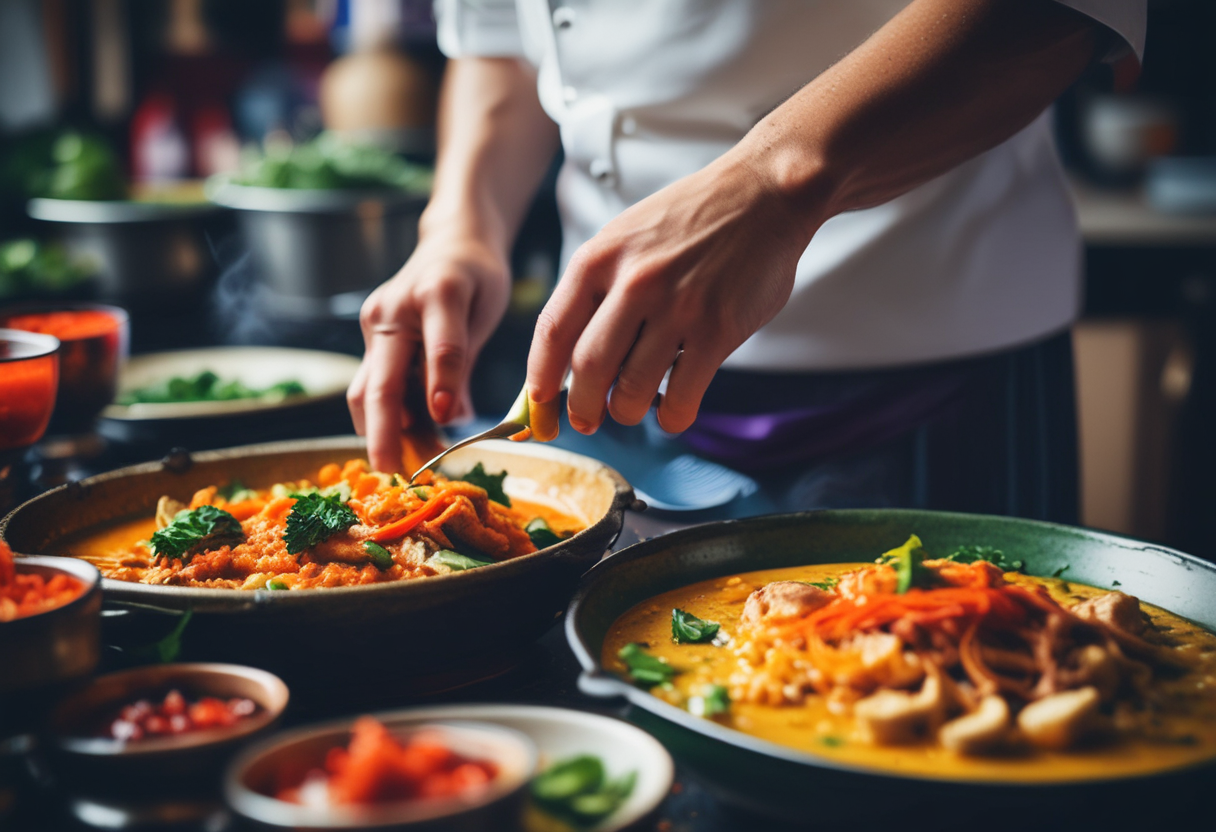
Curry-Making (Gaeng)
Creating rich, flavorful curries from scratch.
Mastering curry-making is crucial for authentic Thai flavors:
- Start by frying the curry paste in oil
- Add coconut milk gradually, stirring constantly
- Balance flavors with fish sauce, palm sugar, and lime
- Simmer ingredients until cooked through
- Adjust consistency as needed
Essential for dishes like Green Curry and Massaman Curry.

Steaming (Neung)
Gentle cooking to preserve flavors and nutrients.
Steaming is a healthy and traditional Thai cooking method:
- Use a bamboo steamer for best results
- Ensure water doesn't touch the food
- Line the steamer with banana leaves or parchment
- Don't overcrowd the steamer
- Check for doneness without lifting the lid too often
Perfect for dishes like Haw Mok (steamed fish curry) and Khao Niao (sticky rice).
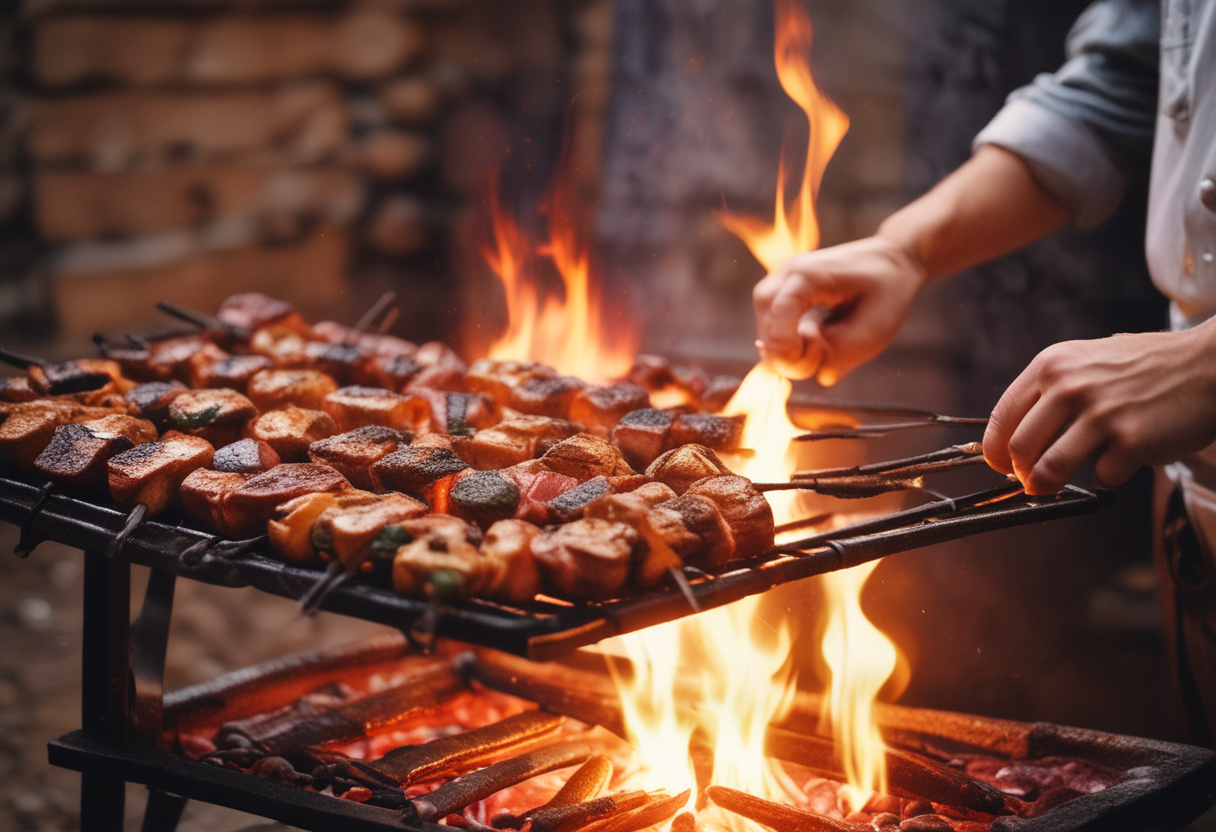
Grilling (Yang)
Imparting smoky flavors to meats and vegetables.
Grilling adds a delicious smoky flavor to Thai dishes:
- Marinate meats beforehand for extra flavor
- Use high heat for quick cooking
- Baste frequently with marinades
- Use lemongrass or kaffir lime leaves as skewers for added aroma
- Let meats rest before serving
Essential for dishes like Gai Yang (grilled chicken) and Moo Ping (grilled pork skewers).
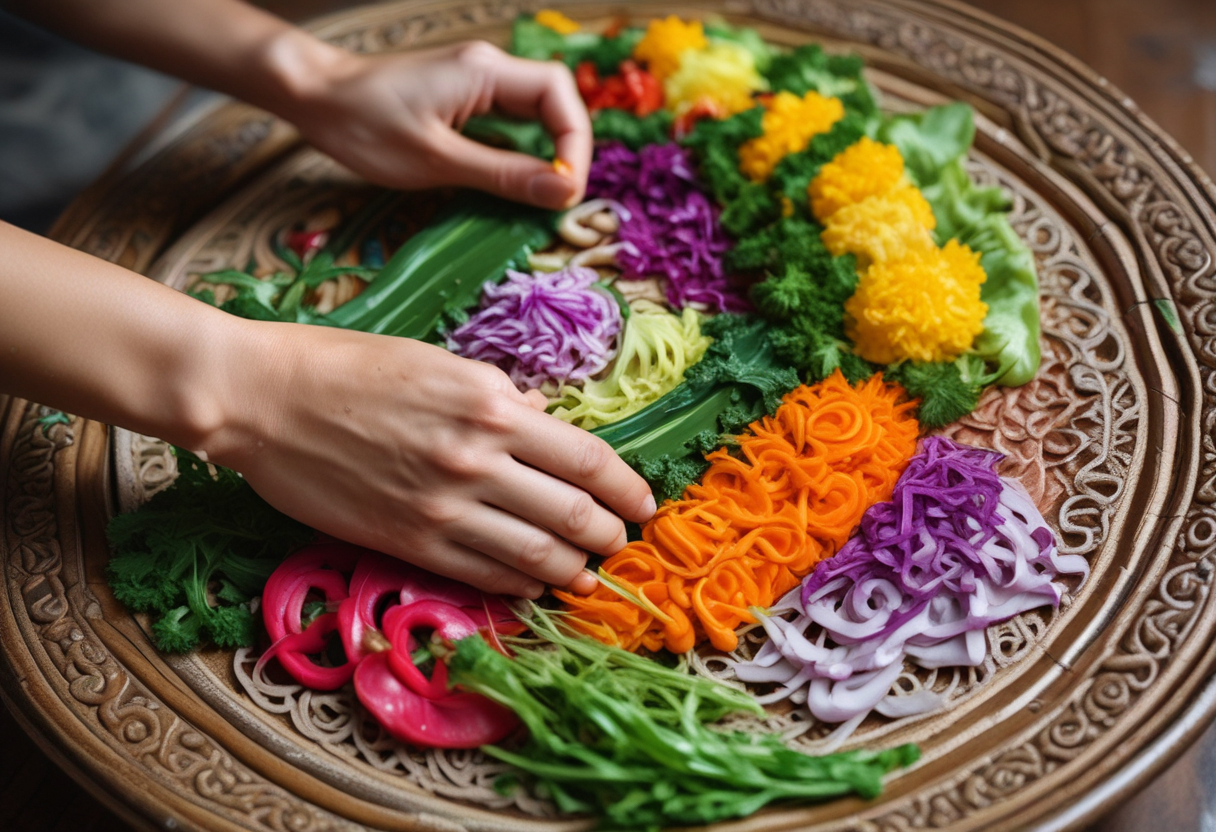
Garnishing and Presentation
The art of making dishes visually appealing.
In Thai cuisine, presentation is as important as taste:
- Learn basic fruit and vegetable carving
- Use fresh herbs like cilantro, Thai basil, and mint
- Add color with sliced chilies or lime wedges
- Arrange food thoughtfully on the plate
- Consider contrasting colors and textures
Elevates the dining experience for all Thai dishes.